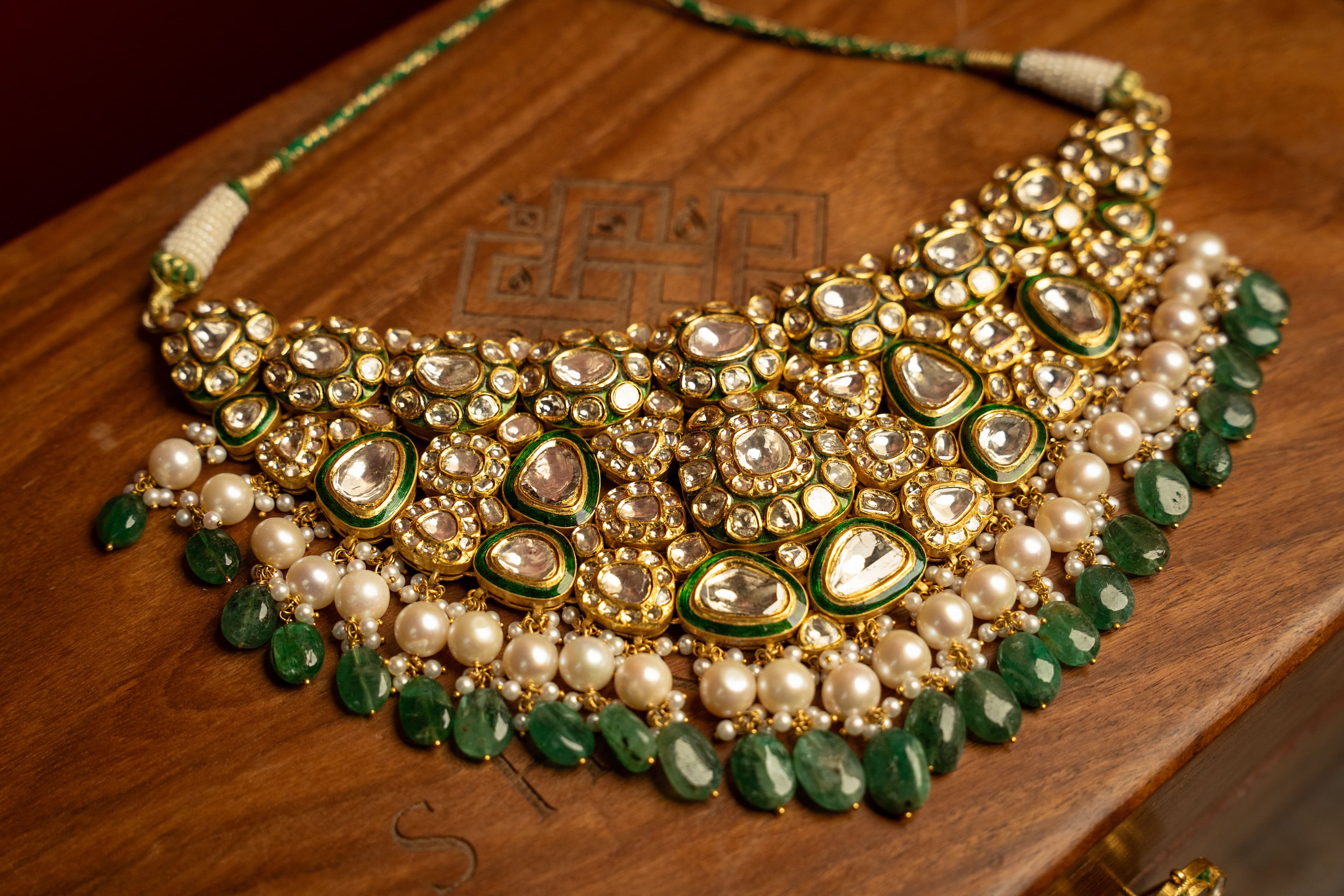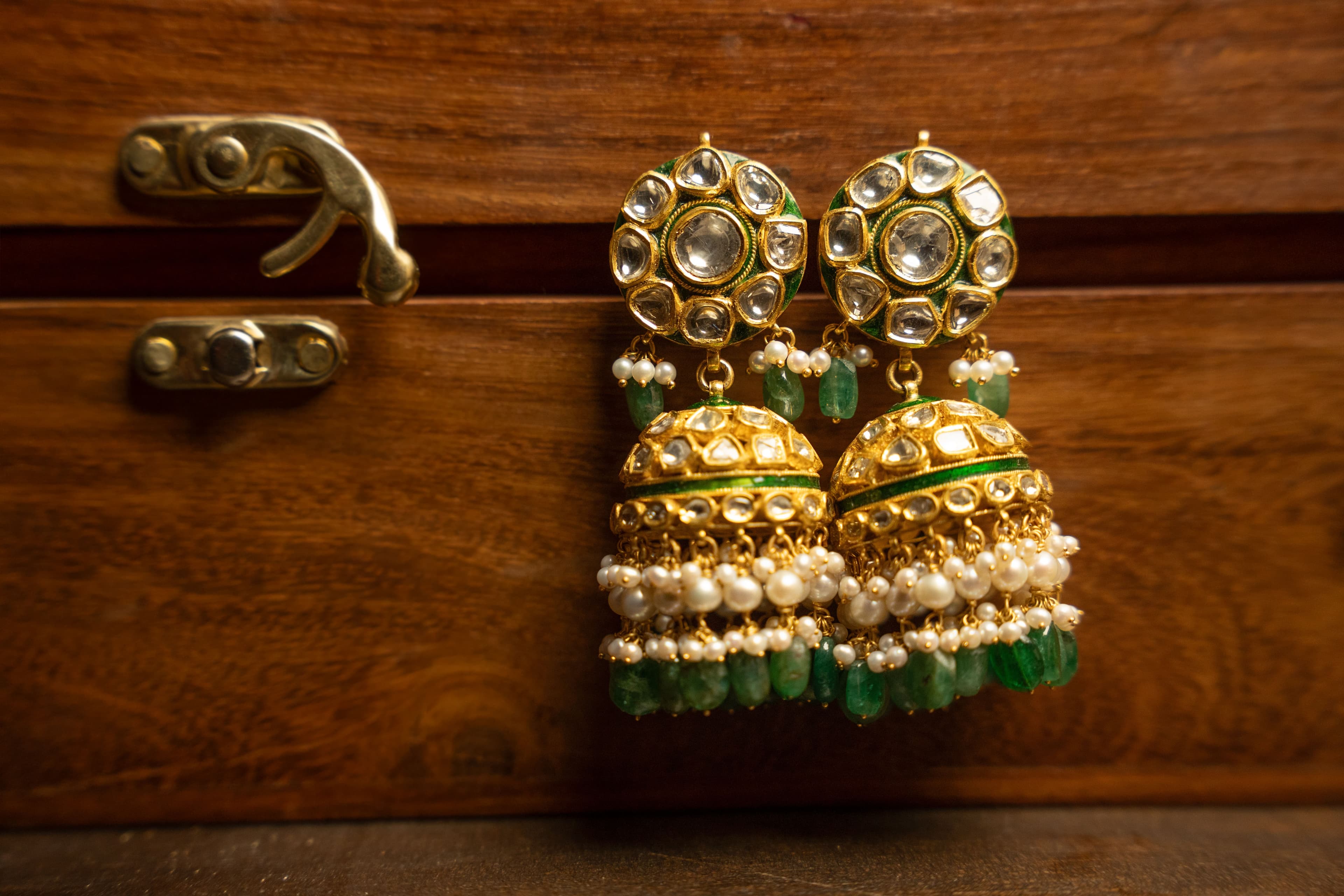
It is one of the most common questions we hear: "Is polki a good investment?" The honest answer is more nuanced than most jewellers will give you, and understanding that nuance will help you make better decisions about where to put your money.
The Honest Difference: Gold, Diamond, and Polki
Gold as investment - Gold has a transparent, globally tracked market price. You can buy gold today and sell it tomorrow at a clearly defined rate. Gold jewellery's resale value is based on weight and purity, minus making charges. This makes gold the most "liquid" jewellery investment.
Certified diamonds as investment - Solitaire diamonds with GIA or IGI certification have a resale market, though it is less liquid than gold. The 4Cs (cut, colour, clarity, carat) provide a standardised valuation framework. However, retail markup means you typically lose 20-40% on resale compared to purchase price.
Polki as investment - Here is where honesty is essential. Polki does not have a standardised global certification system. There is no "spot price" for polki the way there is for gold. The value of a polki piece is determined by the quality of the stones, the craftsmanship, the gold content, and - critically - the reputation of the maker. This makes polki a fundamentally different kind of investment.
Why Polki Has No "Market Price"
Unlike a certified solitaire diamond, a polki stone cannot be evaluated using a universal grading system. Two polki stones of the same size can vary enormously in value depending on clarity, origin (syndicate vs Zimbabwe vs khilwas), and treatment level. This means that polki valuation is inherently subjective and requires expertise to assess.
This is not a flaw in polki - it is a characteristic of artisanal, heritage products. A handwoven Banarasi saree does not have a commodity price either, but its value is real and enduring. The same is true of fine polki jewellery.
Heirloom Value: A Different Kind of Return
The most honest way to think about polki jewellery is as an heirloom investment rather than a financial one. An heirloom gains value through:
Generational significance - A polki set worn by a grandmother, then a mother, then a daughter carries emotional and cultural value that no financial instrument can replicate.
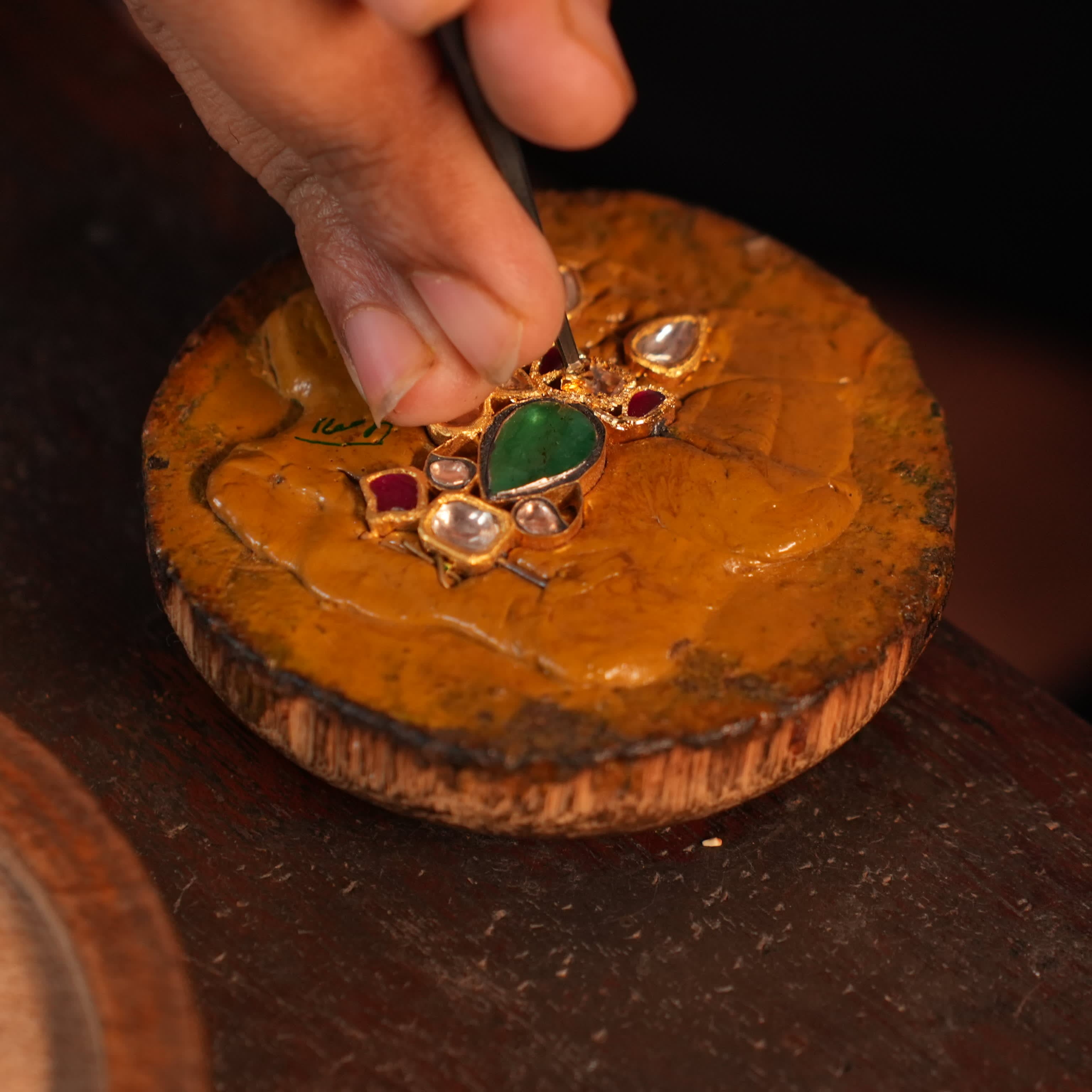
Craftsmanship appreciation - As traditional jadau karigars become rarer and the craft becomes more precious, well-made heritage pieces appreciate in cultural value. A piece crafted by a master karigar today may be irreplaceable in a generation.
Gold content - The gold in a polki piece retains its commodity value. A heavy polki necklace contains a significant amount of 22KT or 24KT gold, which provides a floor value independent of the stone and craft components.
The Role of Provenance and Craftsmanship
In the polki market, provenance matters enormously. A piece from a known, respected jeweller carries more resale and exchange value than an identical-looking piece of unknown origin. This is because the buyer of a second-hand polki piece is essentially trusting the original maker's representation of stone quality, gold purity, and craft integrity.
Documentation helps: purchase certificates, photographs, and any stone quality specifications you receive at the time of purchase should be preserved alongside the jewellery itself. These documents become part of the piece's provenance story.
How to Make Purchases That Age Well
If you want your polki jewellery to hold and grow its value over time, consider these principles:
Buy quality over quantity. One exceptional polki choker will hold its value better than three mediocre necklaces. Prioritise stone quality (syndicate or high-grade Zimbabwe), skilled craftsmanship, and fine meenakari.
Buy from reputable makers. The jeweller's name and reputation are part of the piece's value. Established houses with generational track records provide both quality assurance and provenance value.
Choose timeless designs. Fashion-forward, trendy designs may feel dated in a decade. Classic silhouettes - a well-proportioned choker, traditional chandbalis, a balanced rani haar - are timeless precisely because they have been proven over centuries.
Maintain and care for your pieces. Proper storage, regular gentle cleaning, and professional maintenance preserve both the physical beauty and the value of polki jewellery.
The SHRIVATSA Perspective
We do not sell polki jewellery as a financial investment, because we believe that misrepresents its nature. What we do offer is jewellery of genuine quality - high-grade polki, pure gold, master craftsmanship - that we stand behind completely. We offer transparent exchange policies and lifetime maintenance. And we create pieces that families will be proud to pass down. That, we believe, is the truest form of value.